
bullet resistant glass manufacturers
The Importance of Right Angles in Measurement A Focus on the Ruler In the world of geometry, few concepts are as fundamental as the right angle. Defined as an angle of exactly 90 degrees, the right angle serves as a cornerstone for various fields, including architecture, engineering, and design. When we integrate this concept with traditional measuring tools, such as a ruler, we find a powerful instrument that has shaped our understanding of space and structure. A ruler is one of the most ubiquitous measuring devices. Typically a flat, elongated strip marked with units of measurement, it is an essential tool used in both educational settings and professional environments. Its primary function is to provide accurate measurements, but when it comes to the right angle, a ruler takes on an additional role as a guide for drawing, aligning, and constructing designs. Rulers that come equipped with a right-angle feature, commonly known as a T-square or a right-angle ruler, are particularly valuable. These tools have an arm that extends to form a precise 90-degree angle with the main body of the ruler. This feature is crucial for ensuring that lines and edges are straight and true . For example, in architectural design, the act of creating blueprints necessitates an exact understanding of angles. Using a ruler with a right-angle feature allows architects to form perfect corners, which dictate the overall integrity and aesthetic appeal of a structure. ruler with right angle In woodworking, the importance of right angles becomes even more pronounced. A woodworker relies on the precision of measurements to create joints that fit seamlessly together. Any deviation from a right angle can lead to defects, wasted materials, and project delays. Many woodworkers utilize square rulers, which provide immediate visual confirmation of right angles. When used alongside a standard ruler, this combination allows for the meticulous crafting of furniture and other wooden constructs. Moreover, the use of right-angle rulers extends beyond the realms of construction and design. In mathematics, the concept of a right angle plays a vital role in trigonometry and the Pythagorean theorem. By studying right triangles—triangles that contain a right angle—students can explore the relationship between the lengths of the sides and their angles. This mathematical exploration often utilizes rulers to draw triangles accurately, ensuring the sides align perfectly to form the right angles. In digital design, the relevance of right angles remains significant. Graphic designers often use software that replicates the functionalities of a ruler, allowing them to create precise layouts for websites, posters, and advertisements. The right angle ensures that elements are properly aligned, contributing to a visually pleasing and accessible design. Simultaneously, the digital realm introduces the concept of grids, where squares and rectangles embody right angles, further demonstrating their ubiquity in both real and virtual environments. In conclusion, the ruler serves as more than just a tool for measuring length; it is a vital element in ensuring precision and accuracy, especially when dealing with right angles. Whether in building, woodworking, mathematics, or digital design, the significance of right angles is undeniable. Their enduring presence across various fields highlights the importance of mathematical concepts in shaping our interaction with the world. The humble ruler, enhanced with the right-angle feature, remains an indispensable guide as we strive for accuracy and precision in our creations.
about
bullet resistant glass manufacturers
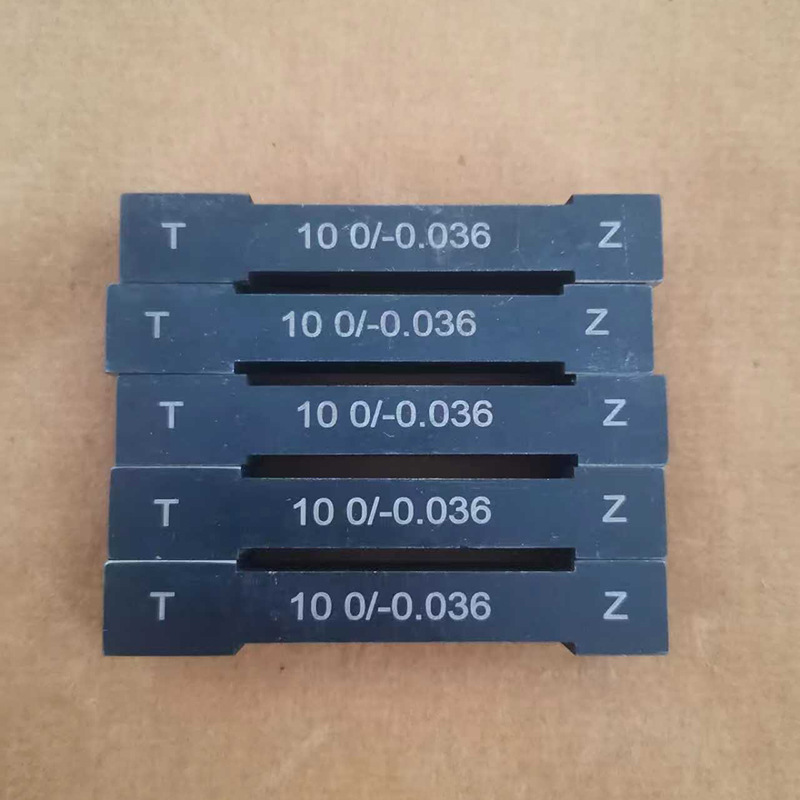
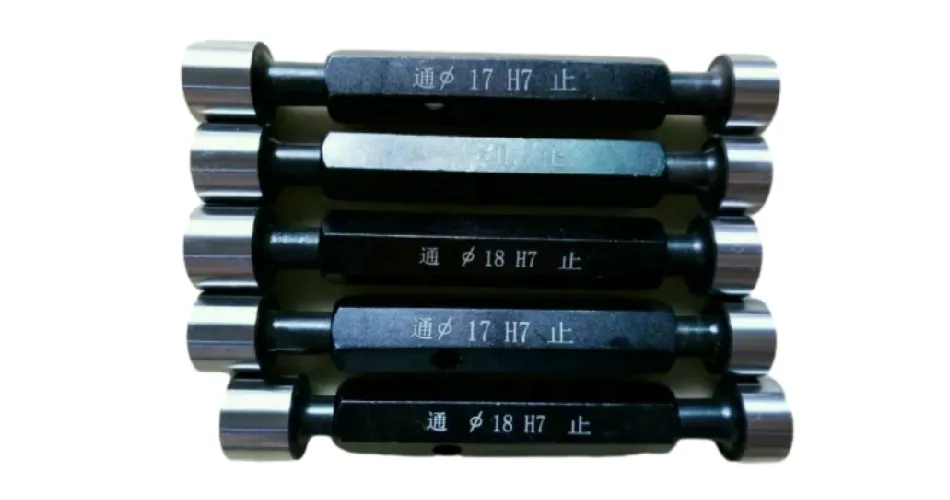
The Importance of Micrometre Precision in Modern Applications In today’s advanced technological landscape, precision has become a fundamental requirement across various industries. Micrometre precision, referring to measurements at the scale of one-millionth of a meter, plays a crucial role in ensuring the accuracy and reliability of numerous applications. This level of precision is particularly vital in fields such as manufacturing, aerospace, medicine, and electronics, where the slightest deviation can lead to significant consequences. In manufacturing, particularly in industries producing intricate components like gears, bearings, and microchips, achieving micrometre precision is essential. This precision not only ensures the proper fit and function of parts but also enhances the overall efficiency and safety of machinery. For example, in the automotive sector, precise measurements can directly affect engine performance, fuel efficiency, and emissions control, ultimately influencing both consumer satisfaction and regulatory compliance. The aerospace industry exemplifies the critical nature of micrometre precision, where tolerances can be as tight as a few micrometres. Components such as turbine blades and structural parts must meet exact specifications to withstand extreme conditions during flight . Any inaccuracies could lead to catastrophic failures, making precision engineering a non-negotiable aspect of aircraft manufacturing and maintenance. micrometre precision In the realm of medicine, micrometre precision has transformed how we approach diagnostics and treatment. For instance, advances in micro-surgery and the development of medical instruments rely heavily on precise measurements to minimize damage to surrounding tissues and improve patient outcomes. Additionally, the fabrication of drug delivery systems, where drugs are administered at the cellular level, necessitates a level of precision that ensures the right dosage reaches the target area. Electronics, too, benefit significantly from micrometre precision. The miniaturization of components in devices such as smartphones, tablets, and computers has enabled increased functionality while reducing size. This trend demands manufacturing processes that can operate within micrometre tolerances to maintain performance and reliability in a highly competitive market. In conclusion, micrometre precision is a cornerstone of modern technology, enhancing safety, efficiency, and functionality across various sectors. As industries continue to evolve, the demand for precision will only grow, driving innovation and improvement in measurement technologies. Whether in manufacturing, aerospace, medicine, or electronics, the ability to achieve and maintain micrometre precision is critical for future advancements and success in an increasingly precision-driven world.
-

High quality industrial productsagement

High quality industrial products
View Details -

Meet the diverse needs of customers

Meet the diverse needs of customers
View Details -

Strict quality control

Strict quality control
View Details -

Top raw materials

Top raw materials
View Details -

Trusted supplier

Trusted supplier
View Details
Our application

news and information

Vanne à soupape flanquée 4 pouces pour applications industrielles et domestiques
Vanne à opercule de 4 pouces avec brides une solution fiable pour les systèmes de conduits Les vann
Valve tipleri
Valf Tipleri Endüstriyel Uygulamaların Temel Taşı Valfler, endüstriyel sistemlerin vazgeçilmez parça
Welding table with dimensions 3x6 for efficient work
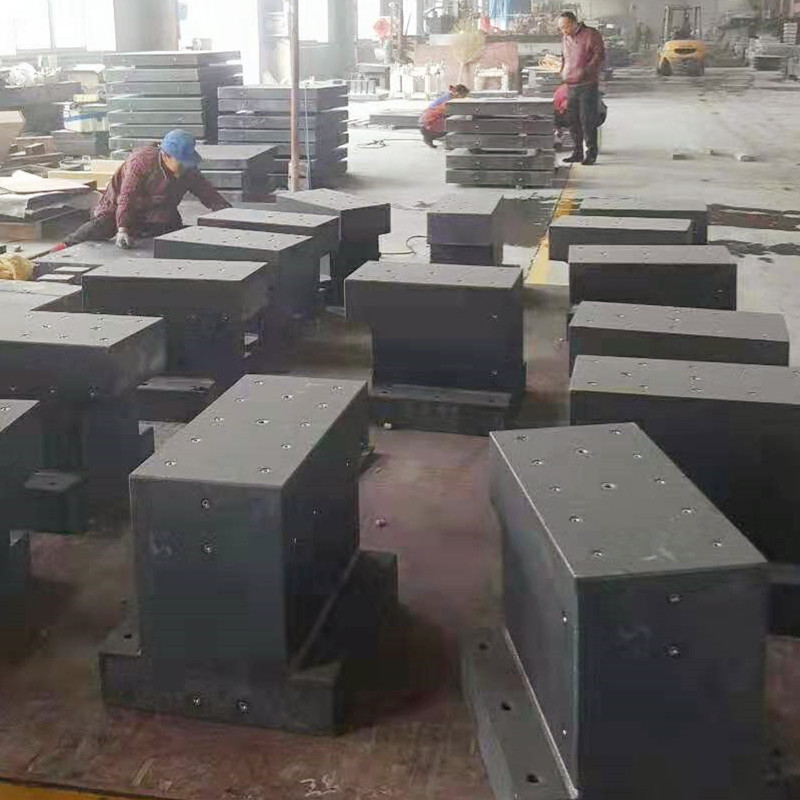
The Significance of a 3x6 Welding Table in Modern Welding Operations A welding table is an essentia
 English